
Palm Tree Removal and Lethal Bronzing Disease on the Gulf Coast
Lethal Bronzing is killing palms across Galveston County. Once a palm shows symptoms it can't be saved, and it can infect the palms around it. We remove dead and infected palms safely and handle the debris the right way.
Get a FREE estimate from a local tree service.
Call (281) 337-4783 for a FREE Estimate- Since 1992
- on Google
- OSHA-Trained
- Se Habla Español
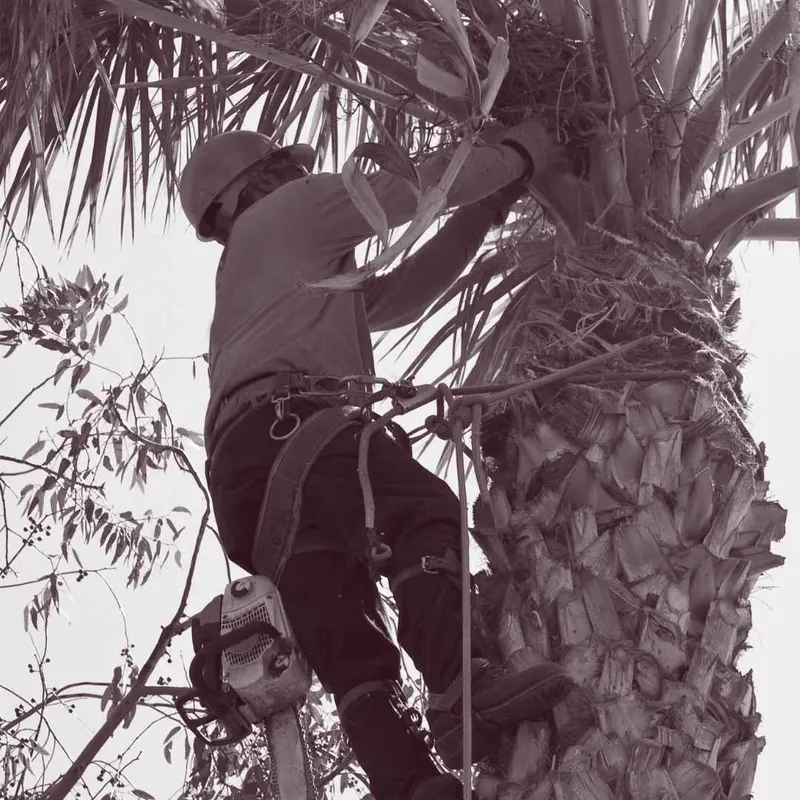
A Serious Threat to Gulf Coast Palms
Palms are part of the look of the Texas coast, from Galveston's west end to backyards in League City, Kemah and Texas City. Right now, many of them are under threat from Lethal Bronzing disease (LBD). There is no cure; once a susceptible palm is infected, it declines quickly and dies.
Root Branch 'N' All removes dead, dying and Lethal Bronzing–infected palms safely, in a way that keeps contaminated material from being handled carelessly, which matters for containment across the region.
Call (281) 337-4783 for a FREE Estimate
What Is Lethal Bronzing Disease?
Lethal Bronzing is caused by a bacterium-like organism (a phytoplasma) that infects only plants. It is spread by a small planthopper insect that picks it up while feeding on an infected palm and carries it to healthy ones. It does not affect people or pets.
Palms reported as susceptible include the Canary Island date palm, the cabbage palm (Sabal palmetto) and the queen palm, among others. Galveston Island is especially at risk because so much of its tree canopy, particularly on the west end, is made up of palms.
Symptoms of Lethal Bronzing
- Premature fruit drop, where most or all of the fruit falls at once
- Bronzing or browning of the lower fronds, a reddish-bronze color that moves upward through the crown
- Death and collapse of the spear leaf, the newest leaf in the center of the crown
- Root rot and overall decline
Old lower fronds naturally turn brown with age, so not every brown frond means LBD. A reddish-bronze color spreading upward, especially with a collapsing spear leaf or sudden fruit drop, is the warning sign.
What to Do If You Suspect Lethal Bronzing
- Contact the Galveston County office of Texas A&M AgriLife Extension. They can help determine whether the symptoms are normal wear or possible LBD.
- Testing. Where LBD is suspected, Texas Department of Agriculture inspectors may test the palm.
- Remove confirmed palms promptly. Once a palm is infected, it is a reservoir that can spread the disease to healthy palms nearby. Fast, professional removal is the best way to protect the uninfected palms on your property and in your neighborhood.
- Follow quarantine rules. The Texas Department of Agriculture has set quarantine areas where infected palms are found. Plant material should not be moved out of those zones.
For more information, see Texas A&M AgriLife Extension's Lethal Bronzing guide.
Our Palm Tree Removal Process
- Look at the palm and its surroundings. Height, lean, what is underneath, and how close it is to other palms.
- Free estimate. Clear pricing before we start.
- Safe takedown. Tall palms are climbed or reached with our 60 ft bucket truck and taken down in sections, so the heavy head and trunk don't land on roofs, fences or pools.
- Careful debris handling. For LBD-infected palms, we follow quarantine-compliant handling so contaminated material is not spread around.
- Stump grinding (optional). We can grind the palm stump so you can replant or reseed.
Other Reasons to Remove a Palm
- The palm is dead or the crown has collapsed
- The trunk is leaning, cracked or damaged after a storm
- Freeze damage killed the growing point
- The palm is too close to the house, lines or other structures
- You are redesigning the landscape
If a palm has fallen or is hanging over your home after a storm, call our 24/7 emergency tree service.
Protecting the Palms You Still Have
For palms that are still healthy, Texas A&M AgriLife recommends good general care, such as watering during droughts and removing dead fronds, and discussing preventive treatments with a tree care professional. Keeping an eye on your palms and acting quickly when symptoms show up is the best defense for the whole neighborhood.
Palm Tree Removal Service Areas
We remove palms throughout our service area, including Galveston, Texas City, La Marque, Hitchcock, Kemah, Seabrook, League City and Dickinson.
- Dickinson, TXGalveston County
- League City, TXGalveston County
- Webster, TXHarris County
- Clear Lake, TXHarris County
- Santa Fe, TXGalveston County
- Texas City, TXGalveston County
- Hitchcock, TXGalveston County
- Alvin, TXBrazoria County
- Algoa, TXGalveston County
- Galveston, TXGalveston County
- Pearland, TXBrazoria County
- Pasadena, TXHarris County
- Friendswood, TXGalveston County
- Nassau Bay, TXHarris County
- Seabrook, TXHarris County
- Kemah, TXGalveston County
- La Marque, TXGalveston County
- South Houston, TXHarris County
- Deer Park, TXHarris County
- Manvel, TXBrazoria County
- La Porte, TXHarris County
Palm Tree Removal FAQ
Can a Palm With Lethal Bronzing Be Saved?
No. Once a susceptible palm shows symptoms, the disease is considered terminal. Infected palms should be removed promptly so they don't spread it to healthy palms.
How Does Lethal Bronzing Spread?
A small planthopper insect picks up the pathogen while feeding on infected palms and carries it to healthy ones.
Which Palms Get Lethal Bronzing?
Reported hosts include the Canary Island date palm, cabbage palm (Sabal palmetto) and queen palm, among others.
Is Lethal Bronzing Dangerous to People or Pets?
No. It only infects plants.
Who Do I Call to Confirm Lethal Bronzing?
Contact the Galveston County office of Texas A&M AgriLife Extension. Where LBD is suspected, Texas Department of Agriculture inspectors may test the palm.
How Much Does Palm Tree Removal Cost?
It depends on the palm's height, location, access and debris handling. Our tree removal service starts at $400, and every estimate is free.
Other Tree Services We Offer
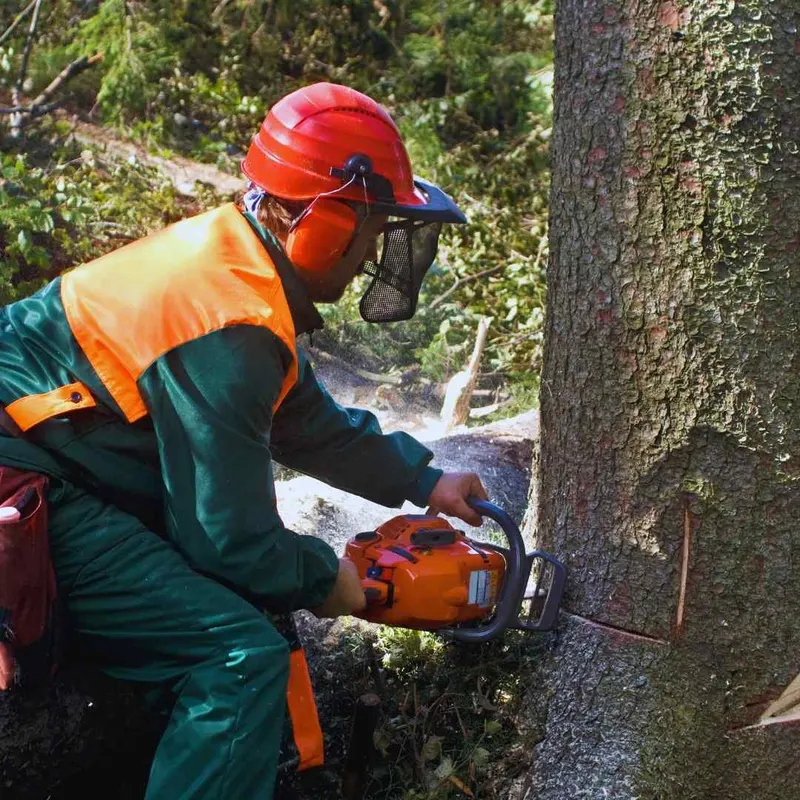 Tree RemovalSafe removal of dangerous, dead or in-the-way trees, starting at $400.Learn more
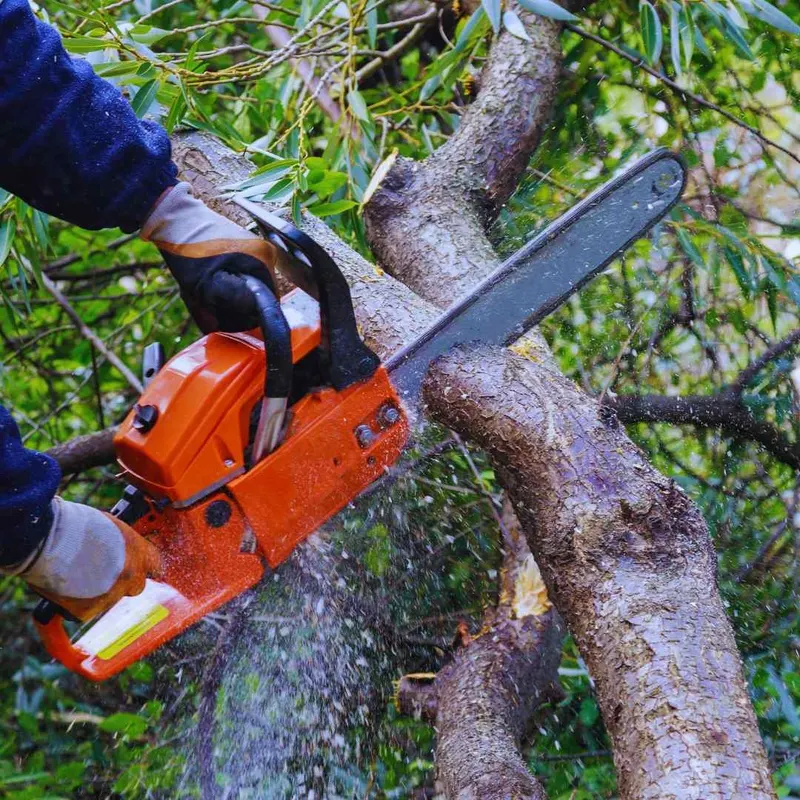 Tree Trimming & PruningSeasonal pruning that shapes, thins and strengthens your trees.Learn more
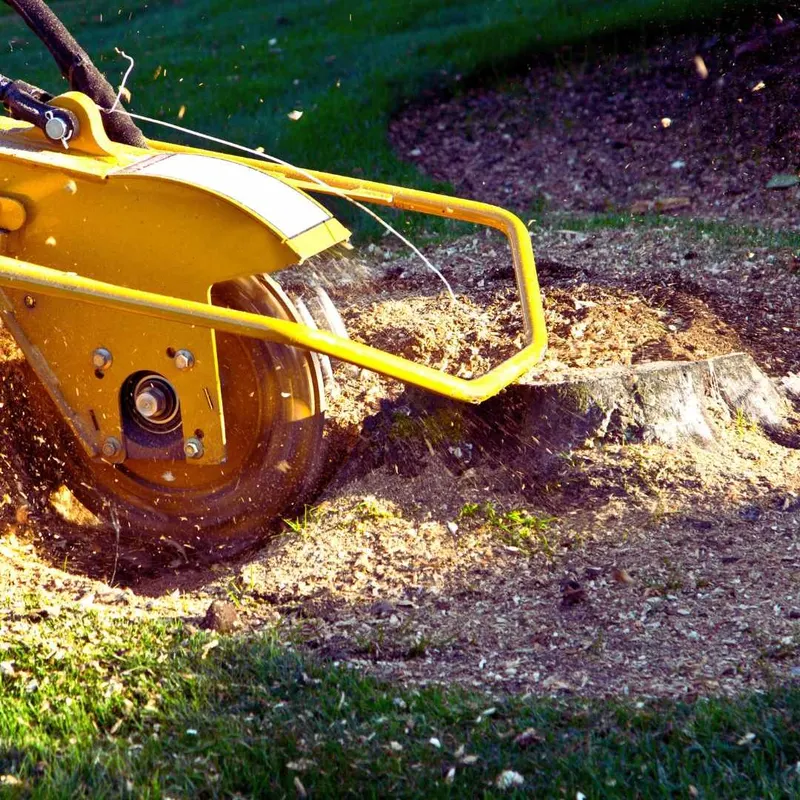 Stump GrindingStumps ground below grade so the spot is usable again.Learn more
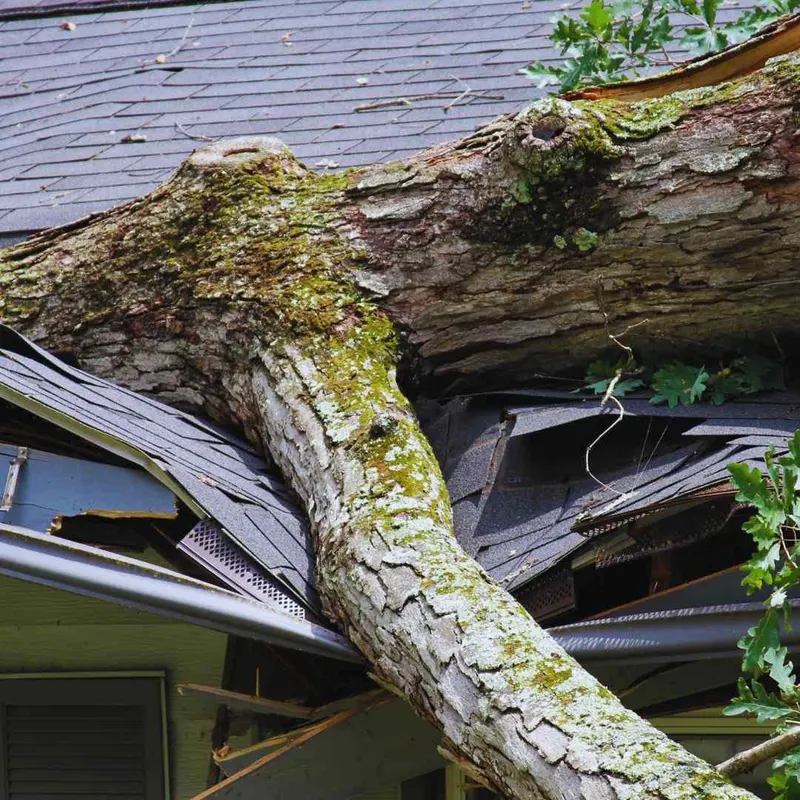 Emergency Tree Service24/7 help when storms drop limbs or trees on your property.Learn more
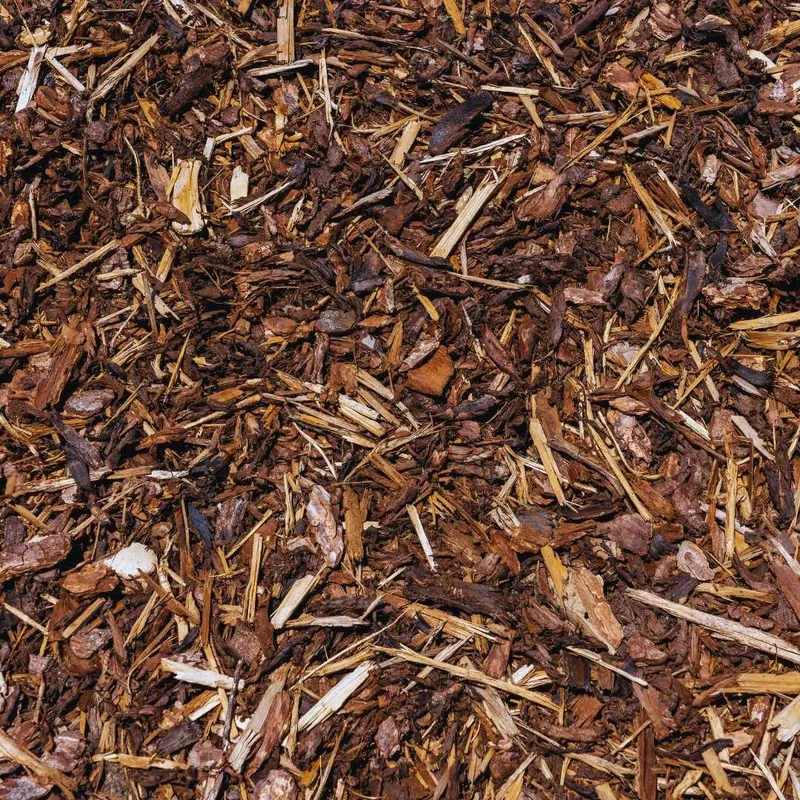 Brush ChippingBranches and brush chipped into mulch, left for you or hauled away.Learn more
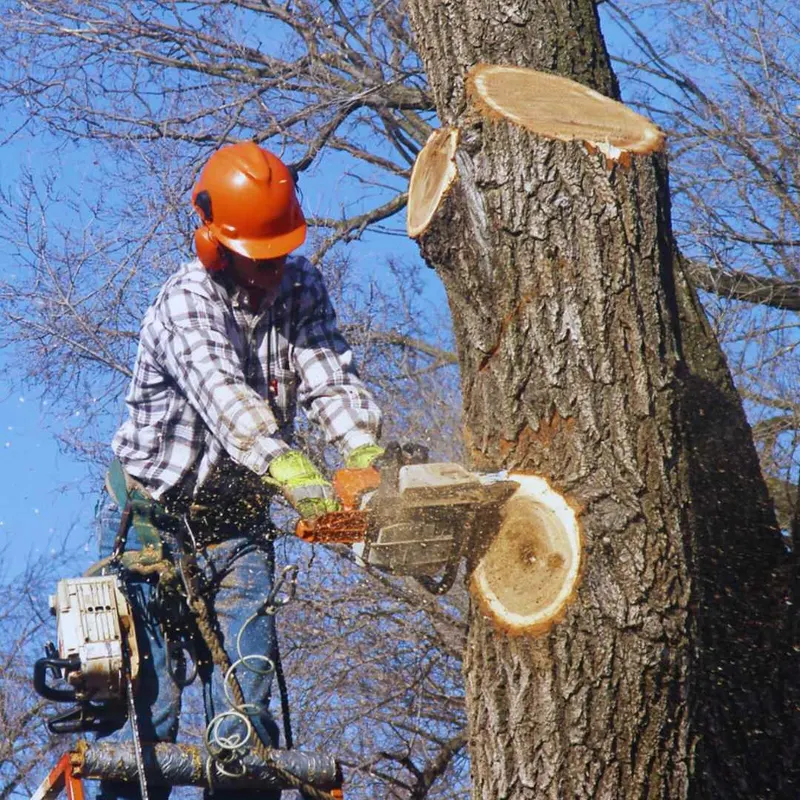 Tree SurgeryTargeted work on diseased, damaged or structurally weak trees.Learn more
 Tree Feeding & MaintenanceFeeding plans and check-ups that keep trees healthy long term.Learn more
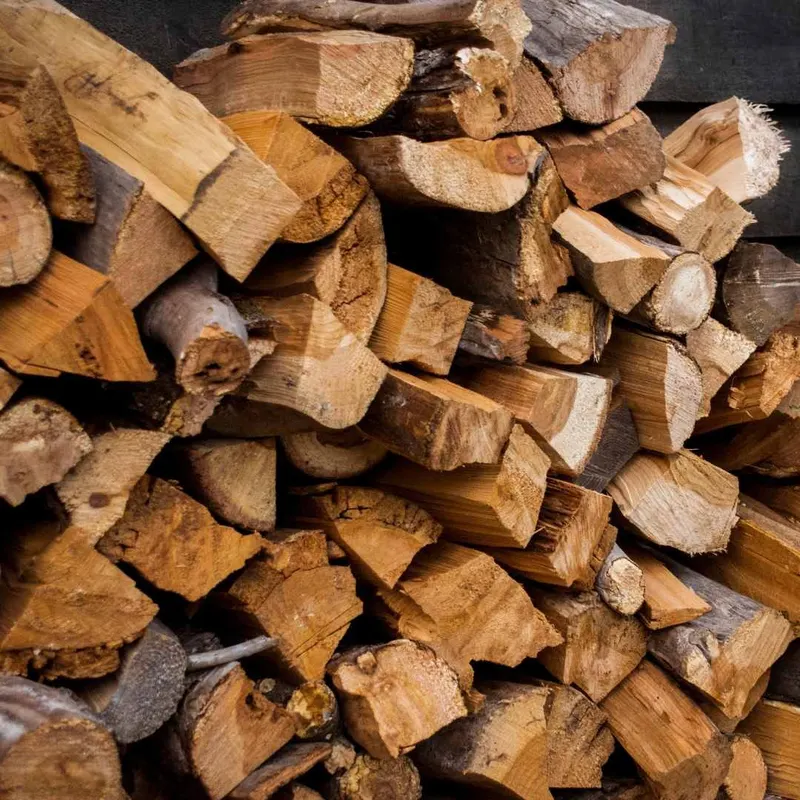 Firewood & BBQ WoodSplit, cured oak, pecan and maple, for pickup or delivery.Learn more