
Hurricane Season Tree Guide (2026): Protect Your Gulf Coast Home
Boarding windows and stocking supplies is standard storm prep. Your trees deserve a spot on that checklist too, because neglected canopies cause a lot of preventable damage when the wind picks up.
Get a FREE estimate from a local tree service.
Call (281) 337-4783 for a FREE Estimate- Since 1992
- on Google
- OSHA-Trained
- Se Habla Español
Why Your Trees Belong on Your Hurricane Checklist
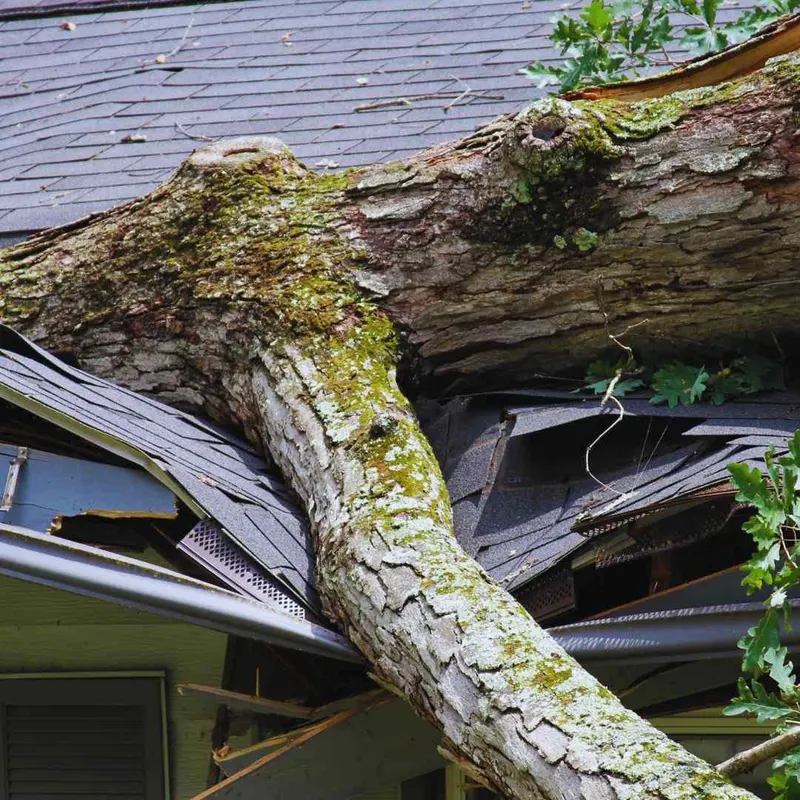
As hurricane season approaches, homeowners along the Texas Gulf Coast run through the familiar checklist: shutters, generators, water, gas, an evacuation plan. Trees rarely make the list, yet they're often the first thing to fail when a storm arrives. Heavy limbs become projectiles, saturated roots let go, and a tree that has stood for decades ends up across the roof or the driveway.
The good news is that much of that damage is preventable. The same pruning that reduces storm risk also makes trees healthier the rest of the year. This guide covers what to look for, what to do, and when to call a professional. Hurricane season in the Atlantic runs from June 1 through November 30, so spring is the ideal time to get ready.
Call (281) 337-4783 for a FREE Estimate
Step 1: Walk Your Property and Look for Warning Signs
Start with a slow walk around your yard, looking up and down. Pay special attention to trees that could reach your house, garage, driveway, fence or power lines if they fell.
| Warning Sign | Why It Matters in a Storm |
|---|---|
| Dead or broken branches, especially high up | Dead wood breaks first and becomes flying debris |
| Limbs resting on or hanging over the roof | They whip against shingles and can crash through |
| Dense, heavy canopy that's never been thinned | Catches wind like a sail and strains the whole tree |
| Cracks, cavities or splits in the trunk or major limbs | Weak points that can fail under load |
| Mushrooms or fungus at the base | Possible root or internal decay |
| A new lean, or soil cracking and lifting at the base | The root plate may be moving |
| Dead palm fronds | Become projectiles in high winds |
If you see any of these on a tree that could hit something important, have it looked at before a storm is in the Gulf.
Step 2: Clear Out the Deadwood
Removing dead, dying and broken branches is the single most important storm-prep task. Dead wood is brittle and breaks easily, and in tropical-storm-force winds it turns into projectiles that can damage roofs, windows, cars and nearby power lines. Island and bayfront properties, which face salt spray, sandy or soggy soil and direct Gulf winds, should make deadwood removal the top priority.
Step 3: Thin the Canopy, Don't Top It
A thick, dense canopy acts like a sail, catching the full force of hurricane winds and putting enormous strain on branches and roots. Selectively thinning interior branches lets wind pass through the crown instead of pushing against it, which reduces the chance of limbs snapping or the whole tree being pulled out of the ground.
What you don't want is topping. Cutting a tree's top back to stubs weakens its structure and destroys its natural form, and the fast regrowth is weakly attached, so it's even more likely to break in the next storm. Proper thinning and reduction cuts get the same benefits without the damage.
Brittle species common on the Gulf Coast, like pecans and older water oaks and laurel oaks, are known for shedding large limbs under stress. These trees benefit most from thinning and from shortening long, heavy limbs that reach over the house.
Step 4: Balance Overextended Limbs
Overextended or unusually heavy limbs put extra stress on the trunk and on the point where they attach. Reducing their length and weight balances the tree's structure and makes it more resilient in strong winds. This is especially important for wide live oaks with long horizontal limbs over roofs.
Step 5: Decide What Has to Come Down
Sometimes a tree is too far gone to save, or its roots are actively undermining your foundation or driveway. If a mature tree is leaning heavily toward your home, or it's dead or seriously decayed, waiting until a tropical system enters the Gulf is a dangerous gamble. Once a storm is coming, tree crews are booked up and there may not be time.
In tight neighborhoods, dropping a tree in one piece can cause serious collateral damage. Professional tree removal uses rigging and the right equipment to take hazardous trees down in sections, protecting your lawn, your house and your neighbor's fence.
Step 6: Care for the Roots and Soil
A tree's stability starts underground. The heavy clay soils common in mainland communities like Dickinson and League City hold water for long periods, which can suffocate roots and invite decay fungi such as hypoxylon canker. A layer of mulch over the root zone, kept a few inches away from the trunk, helps regulate soil temperature, holds moisture during dry spells and protects roots from compaction by mowers and vehicles. Healthy roots hold trees upright.
Your Pre-Storm Tree Checklist
- Walk the property and note trees that could hit the house, cars or lines.
- Have dead, broken and hanging limbs removed.
- Thin heavy canopies; never top.
- Reduce long limbs over the roof.
- Remove dead palm fronds.
- Have leaning, cracked or decaying trees inspected, and remove the dangerous ones.
- Mulch the root zone and avoid parking or piling materials under trees.
- Save our number, (281) 337-4783, in case you need emergency help.
When a Storm Is Coming
Once a storm is named and headed your way, it's too late for major tree work. Focus on safety: bring in loose items, move cars away from big trees if you can, and stay indoors and away from windows on the side of the house that faces large trees during the storm.
After the Storm
- Stay safe. Keep away from downed lines and report them to your utility.
- Don't climb on fallen trees or the roof. Trees under tension can shift or spring when cut.
- Document damage. Take photos from a safe distance for insurance.
- Call for help. Our emergency tree service is available 24/7 to remove fallen trees safely and clear debris with our brush chipping service.
Year-Round Benefits of Storm-Prep Pruning
The pruning that reduces hurricane risk pays off all year. Thinning improves air circulation and sunlight inside the canopy, which reduces fungal problems and pest issues. More light reaches your lawn and garden. Trees grow stronger, look better and live longer. See our tree trimming and pruning service for details.
Hurricane Tree Prep FAQ
When Should I Trim Trees Before Hurricane Season?
Ideally in late winter or spring, well before the season starts on June 1 and before tree services get busy. Dead or hazardous limbs should be removed as soon as you notice them.
Does Thinning a Tree Really Help in a Hurricane?
Proper thinning reduces wind resistance and weight on long limbs, which lowers the risk of breakage. No tree is storm-proof, but well-pruned trees generally hold up better.
Should I Cut Down Big Trees Near My House Before Hurricane Season?
Not necessarily. Healthy, well-pruned trees can stand up to storms. Trees that are dead, decaying, cracked or leaning toward the house are the ones to remove.
Which Trees Are Most Likely to Break in Storms?
Trees with deadwood, decay, heavy unthinned canopies and brittle wood, such as pecans and older water and laurel oaks, along with shallow-rooted trees in saturated soil.
Do You Help After a Hurricane?
Yes. Our emergency tree service is available 24/7 across our Gulf Coast service area.